The 2025 G20 Summit, held in South Africa, marked a pivotal moment in the rearticulation of global governance, with a renewed focus on the Global South. Central to the summit’s agenda was the need to strengthen cooperation, particularly across Africa.
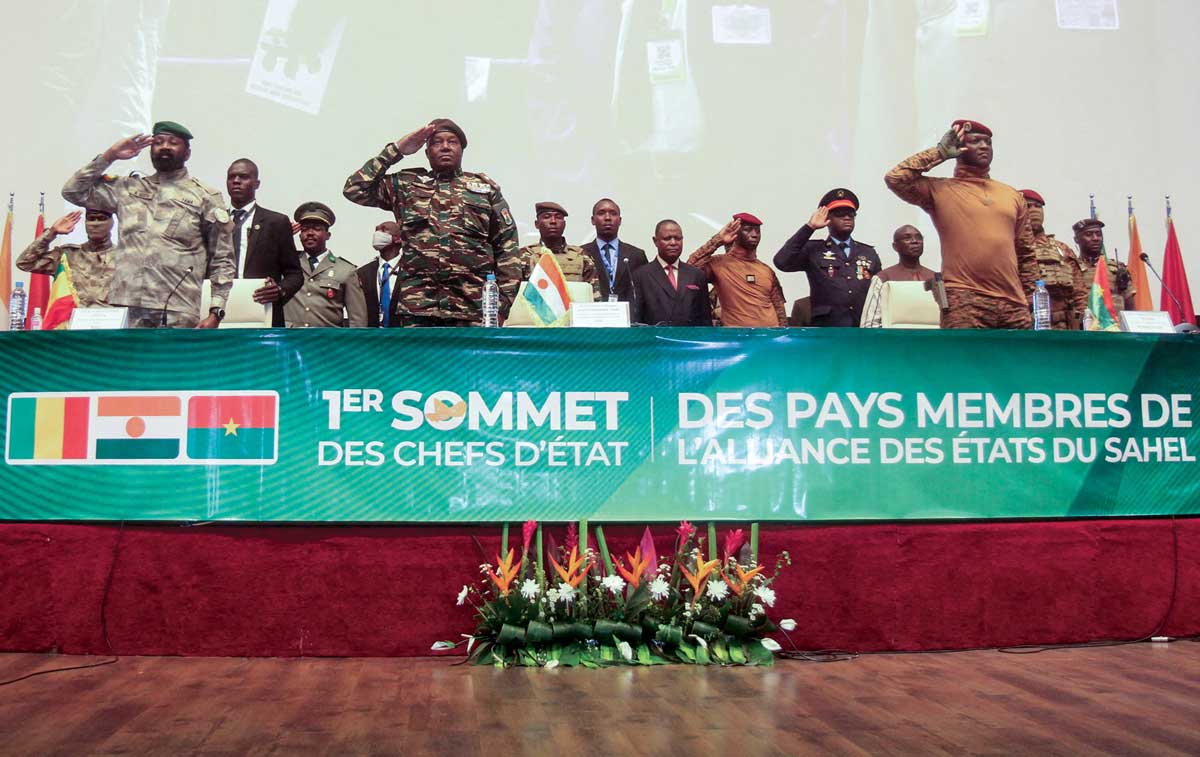
Yet, even as the G20 called for deeper integration and solidarity, West Africa has been moving in the opposite direction. The creation of the Alliance of Sahel States (AES) by Burkina Faso, Mali, and Niger on 16 September 2023, following their withdrawal from the Economic Community of West African States (ECOWAS), has created what many analysts describe as an emerging balkanisation of the sub-region, a development increasingly labelled an “African Brexit”.
This fragmentation stands in sharp contrast to the G20’s call for coordinated regional trade cooperation, interoperability of systems, and strengthened multilateralism. While the summit underscored the importance of the African Continental Free Trade Area (AfCFTA) as a vehicle for economic transformation, the Sahelian split raises difficult questions about the future of West Africa’s integration project.
According to analysts, the withdrawal of the AES countries risks undermining long-standing mechanisms of economic solidarity. “The withdrawal of the AES countries from the regional bloc indeed raises the question of a possible economic balkanisation. This risk exists, as fragmentation can slow regional integration and weaken mechanisms of economic solidarity,” Amade Adama Soro, a Burkinabè economic analyst and geopolitics expert, and author of AES, Chronicle of a Bold March, told Africa in Fact.
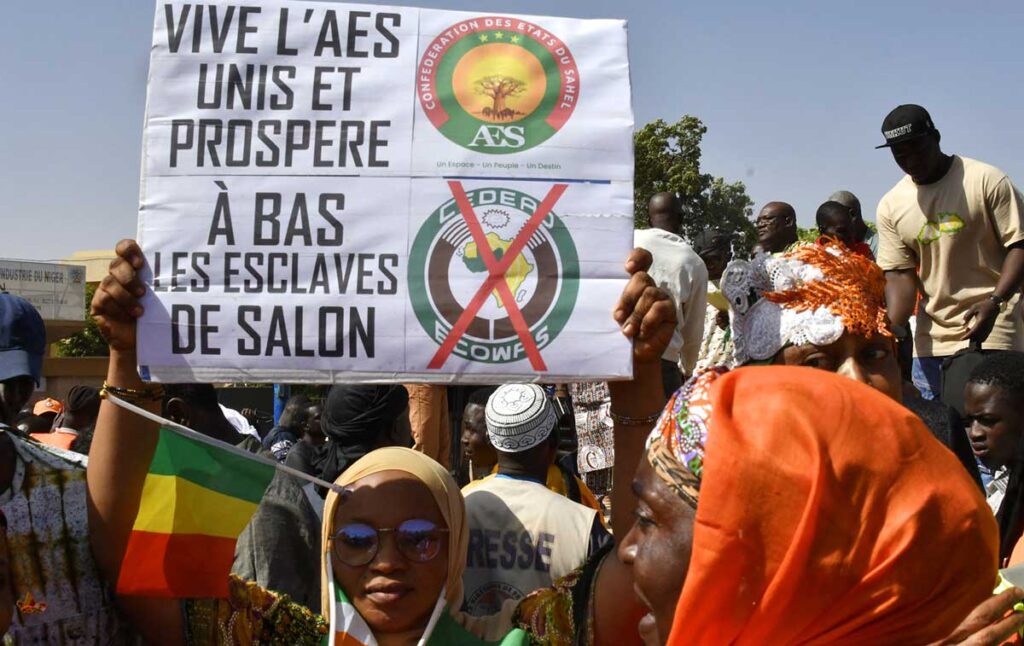
However, proponents of the AES argue that what is happening is not fragmentation per se, but rather a reconfiguration of integration, rooted in sovereignty and equity; that the new alliance represents an attempt to reclaim agency within a global system that the G20 itself acknowledges to be unequal, exclusionary, and in urgent need of reform.
Spanning a combined territory of 2.78 million square km and home to nearly 72 million people, the AES has rapidly moved to establish alternative institutions to assert economic autonomy. Among these is an AES joint investment and development bank, the Confederal Bank for Investment and Development of the Alliance of Sahel States (BCID-AES), designed to finance integrative projects within the alliance’s geographic space.
This initiative resonates strongly with the G20’s recommendation to overhaul the global financial system, reduce dependence on restrictive external financing, and promote multi-currency financial arrangements. The G20 explicitly calls for reforming IMF governance, increasing concessional financing, and developing regional financial mechanisms to lower the cost of capital for developing countries.
“This bank is an instrument of economic sovereignty that will make it possible to finance the flagship projects of the alliance. It aims to reduce dependence on restrictive external financing from the West,” argues Soro.
Nevertheless, the challenge of mobilising capital, estimated at $1 billion, remains formidable, particularly given the political instability and security pressures confronting AES member states. This dilemma mirrors the G20’s broader concern that without predictable, affordable finance and rapid debt-resolution mechanisms, fragile states will struggle to translate sovereignty into development outcomes.
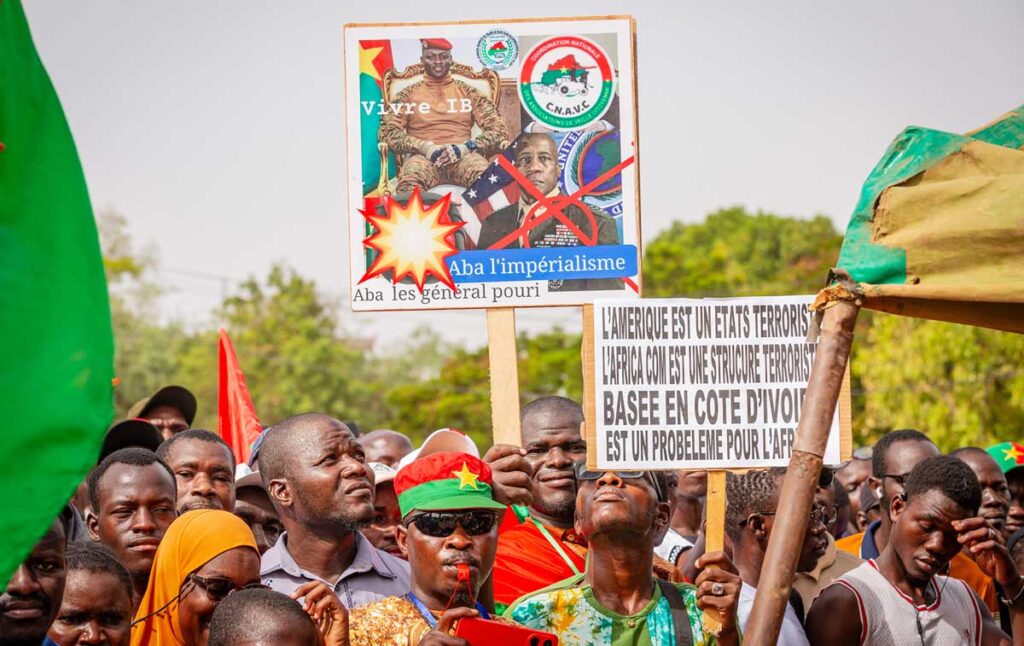
Geographically, the Sahelian alliance sits on some of Africa’s most strategic mineral reserves. Burkina Faso is Africa’s fourth-largest gold producer and a major zinc exporter; Mali ranks third in gold production; and Niger is Africa’s second-largest uranium producer, in addition to possessing oil reserves. These place the AES at the heart of global debates around critical minerals, green industrialisation, and fair benefit-sharing, all of which are G20 priorities.
With the formation of the AES, the three countries have moved decisively to terminate or renegotiate mining contracts with Western companies accused of monopolising resources under unfavourable terms. Despite some criticism as radical, these measures align closely with the G20’s call to support industrial and investment policies that promote value chain integration, technology transfer, and local processing.
Each AES country has adopted revised mining codes to enhance state participation and ensure greater domestic value capture. Mali led the process in August 2023, raising state participation in mining ventures to 35%, up from 20%. Burkina Faso followed in July 2024, securing a free 15% stake, with the option to increase it to 45%. Niger reinforced its 2022 mining law in May 2023, mandating 30% state participation and opening ownership to national investors.
Companies that refuse to comply have had contracts terminated over “disagreements on contractual clauses”. New mining codes explicitly prioritise local transformation of raw materials, echoing the G20’s emphasis on value addition and fair benefit-sharing in critical mineral value chains. “These are the kinds of decisions all African leaders must take by exercising real sovereignty over their mineral resources to generate revenue to lift populations out of poverty,” Didier Nourdeen Alohou, pan-African analyst and managing director of social development consultancy AfricaDev, told Africa in Fact.
He points to Mali’s planned Russian-backed gold refinery as evidence that industrialisation anchored in technology transfer and job creation is becoming tangible. “By opting to process their mineral resources locally, these three countries generate more financial resources and create thousands of jobs… These initiatives coincide with the latest recommendations of the G20,” Alohou notes.
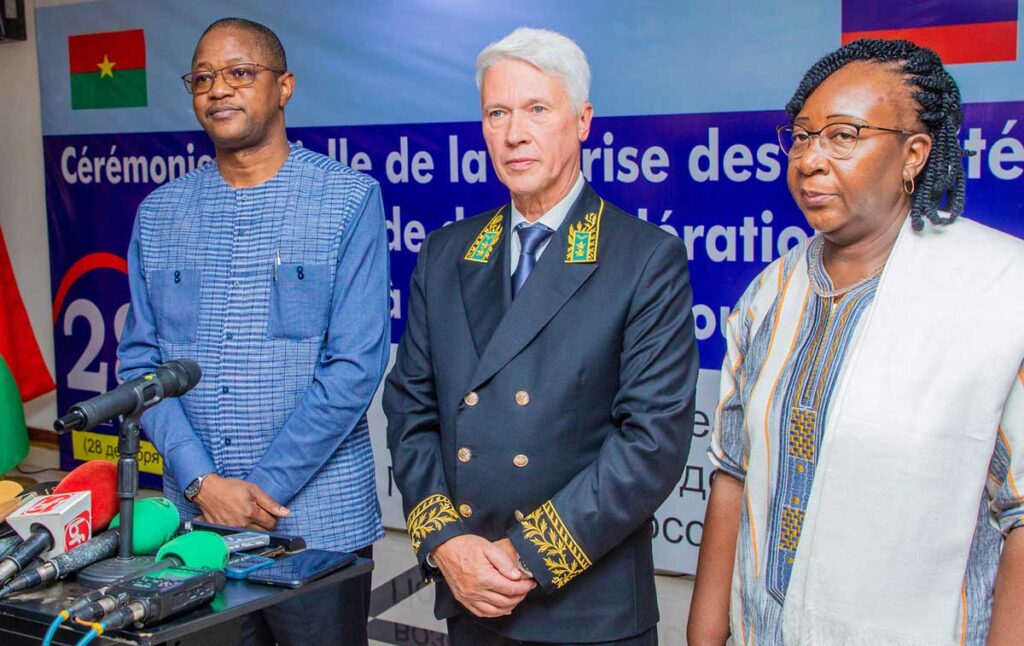
While economic sovereignty has advanced rapidly, security remains the Achilles’ heel of the Sahelian reconfiguration. Terrorism has plagued the region for more than a decade, despite international interventions. Operation Barkhane, launched by France in 2014 and supported by the G5 Sahel framework, deployed nearly 5,000 French troops alongside regional forces. Yet by 2022-2023, Mali, Burkina Faso, and Niger had terminated military cooperation agreements with France and other Western partners, citing ineffectiveness and infringements on sovereignty.
“We are reviewing several defence agreements and treaties to ensure they do not violate our constitutional provisions and national sovereignty. If not, we will not hesitate either to denounce or request a readjustment,” Mali’s Foreign Minister Abdoulaye Diop told Radio France Internationale in a January 2022 interview.
Security analysts interpret this rupture as one of the most consequential shifts in Africa’s post-Cold War security architecture. “The bold move by Mali, Burkina Faso, and Niger to cut military ties with France and otherWestern allies represents one of the most significant shifts in Africa’s security landscape since the Cold War,” Francis Ahovi, security expert and executive secretary of Global Security for Africa Research & Good Governance (GLOSARGG), told Africa in Fact in an interview in December last year.
While widely celebrated domestically amid rising pan-African sentiment, the consequences have been sobering. According to the Global Terrorism Index 2024, West Africa accounted for 47% of global terrorism-related deaths in 2023, nearly 4,000 fatalities. Terrorist activity has since spilled into coastal states, including Benin, Togo, Côte d’Ivoire, and Nigeria.
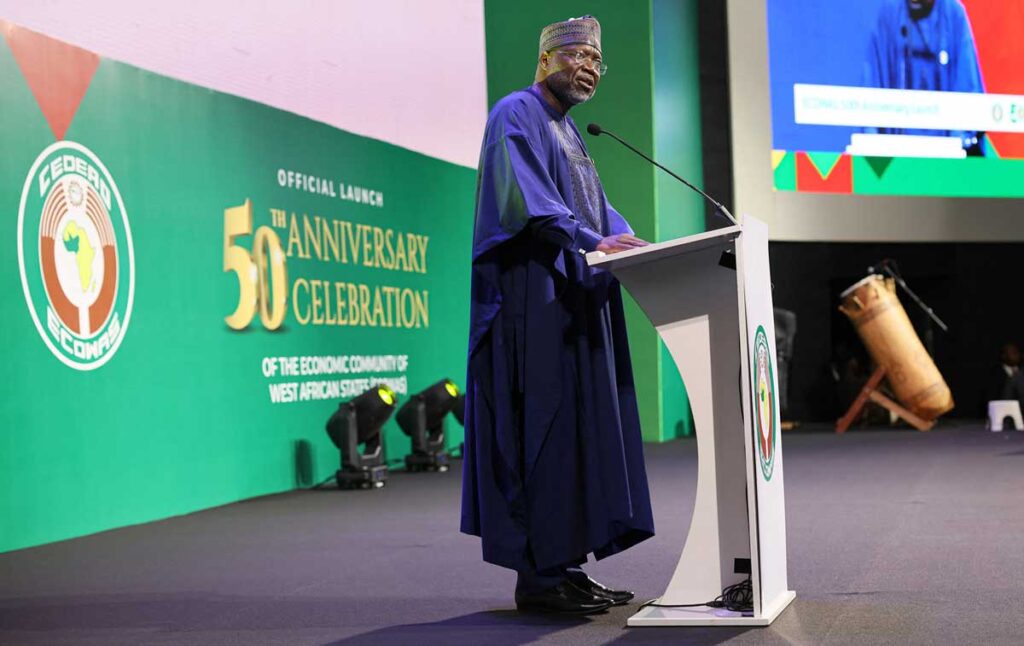
ECOWAS data also reveal 450 attacks between January and November 2025, resulting in more than 1,900 deaths, as confirmed by ECOWAS Commission President Omar Alieu Touray at the UN Security Council in November last year.
Analysts attribute the surge to weakened intelligence-sharing, logistical constraints, and the erosion of regional security cooperation. “Counterterrorism isn’t just about slogans; it relies heavily on intelligence, air power, logistics, and full regional collaboration,” said Ahovi. “The abrupt withdrawal (of Western partners) has left operational gaps, and history shows that terrorist groups often take advantage of such shifts,” he added.
To fill the vacuum left by Western partners, the states of the AES have turned towards Russia, China, and Turkey, embracing what they describe as “win-win cooperation”. This diversification reflects a broader shift towards a multipolar security and development strategy, consistent with the G20’s recognition of South-South cooperation as a pillar of global governance reform.
However, analysts caution that geopolitical competition over the Sahel’s vast mineral resources will intensify. The challenge for AES countries will be to align new partnerships with the G20’s insistence on transparency, fair contracts, and people-centred development.
The Sahelian rupture has transformed West Africa into a laboratory where sovereignty, fragmentation, and integration are being tested simultaneously. But while the AES project echoes many of the G20’s core recommendations, from value addition and industrial policy to financial reform and multipolar cooperation, it also exposes the risks of pursuing sovereignty in isolation from regional security and trade coordination.
The AES-ECOWAS divide highlights the central dilemma confronting the Global South: reconciling national sovereignty with regional solidarity in an unequal global order. The G20’s vision offers a framework, but whether it can bridge this widening fault line in West Africa is an open and urgent question.

Mamah-Djiman Hairith is an investigative reporter from Benin with more than 10 years of field experience in Africa's media industry. She has worked across various platforms including radio and newspapers like Le Paradoxeand Togo Finance et Business in Benin and Togo. She holds a degree in linguistics and communication and is passionate about telling stories around science and technology.