Rapid population growth across the eight countries of the West African Economic and Monetary Union (WAEMU) – (Côte d’Ivoire, Senegal, Mali, Burkina Faso, Niger, Guinea-Bissau, Togo, and Benin) has driven swift urbanisation in many cities over recent years.
According to the latest report titled Urbanisation Dynamics in Africa 2025, published by the Organisation for Economic Co-operation and Development (OECD) and its partners, Côte d’Ivoire, the union’s main economic hub, is projected to have an urbanisation rate of 58% by 2030, with an average annual growth of its urban population of 3.2% between 2025 and 2030. For its part, Burkina Faso is expected to record an average urban growth rate of 3.5% between 2020 and 2050.
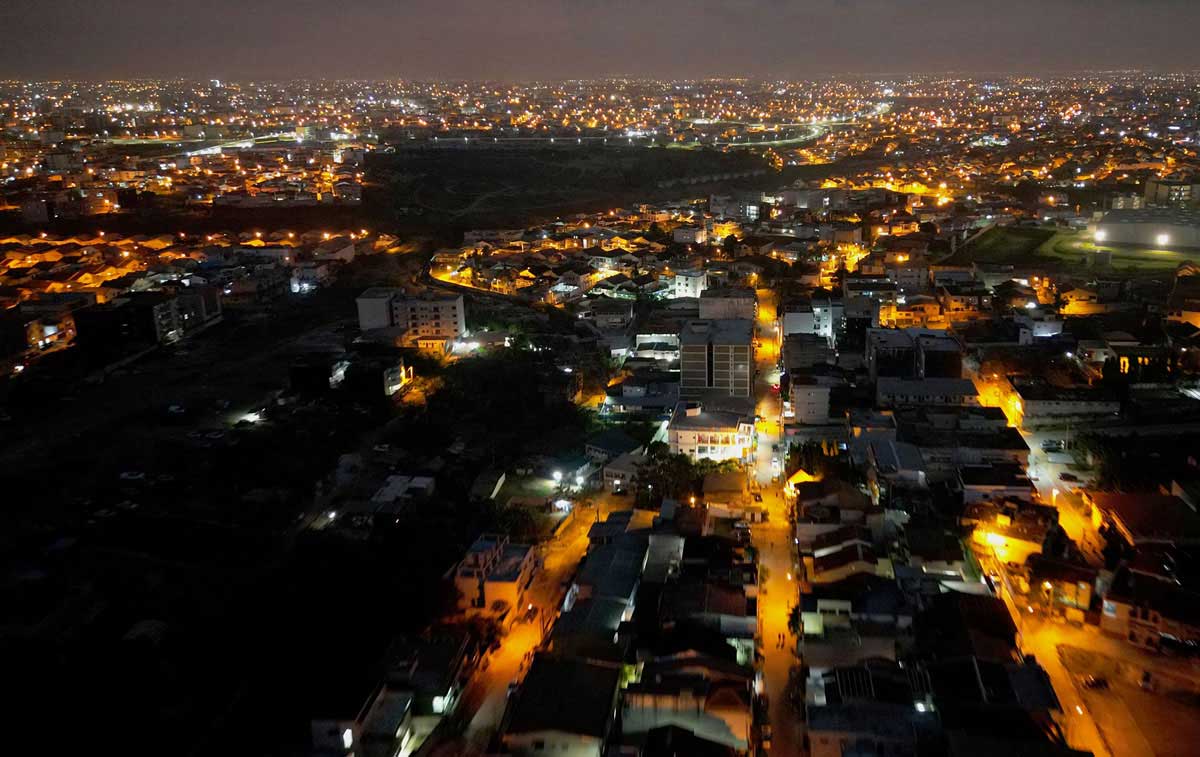
The report also forecasts high urbanisation rates in some of the union’s major cities, including Abidjan, the Ivorian economic capital. Indeed, the city’s population is expected to rise rapidly, from 6,7 million in 2025 to 8,6 million in 2035. This sharp upward trend in urbanisation today presents numerous challenges, including land disputes, disproportionate population concentration in capitals, and a notable shortage of infrastructure, facilities, and basic social services.
Nevertheless, measures are being taken to address this crisis. As early as March 2009, the union developed and adopted the Regional Indicative Programme for Urban Development (PIRDU), which complements the Community Territorial Planning Policy (PATC) adopted in 2004, and aims to foster balanced and sustainable development.
PIRDU is structured around five main pillars: building strategic partnerships to develop primary and secondary cities; strengthening decentralisation and urban governance; and combating the over-concentration of populations in capital cities. The remaining two pillars focus on enhancing cities’ appeal and competitiveness and on balancing regional urban frameworks.
Its implementation is reshaping major cities such as Dakar, Abidjan, Cotonou, Ouagadougou, and Lomé, as well as fostering the development of secondary cities
Rapid and uncontrolled urbanisation in the WAEMU’s major metropolitan areas has compelled the union’s authorities to integrate a decentralisation component into their regional urban planning policy. Today, the emergence of new settlements is fostering a more balanced spatial development at the national level across all eight countries. This approach not only aims to relieve congestion in major cities but also to create new economic hubs within the countries.
According to urban planning experts, the development of secondary cities in the WAEMU region also strengthens decentralisation by relocating certain administrative services closer to populations across the national territories of the eight member states.
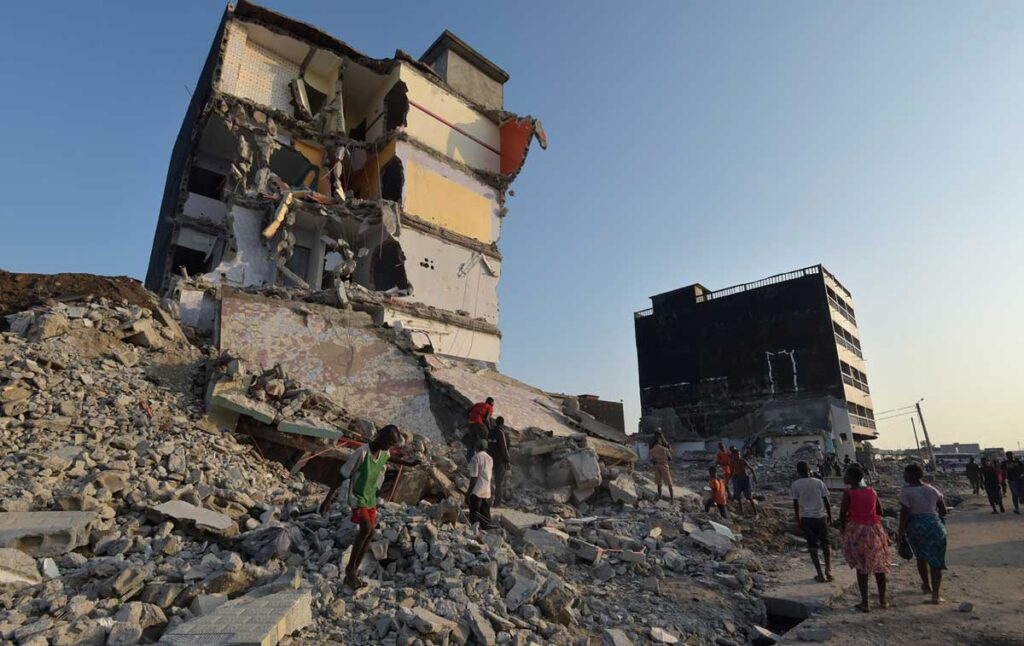
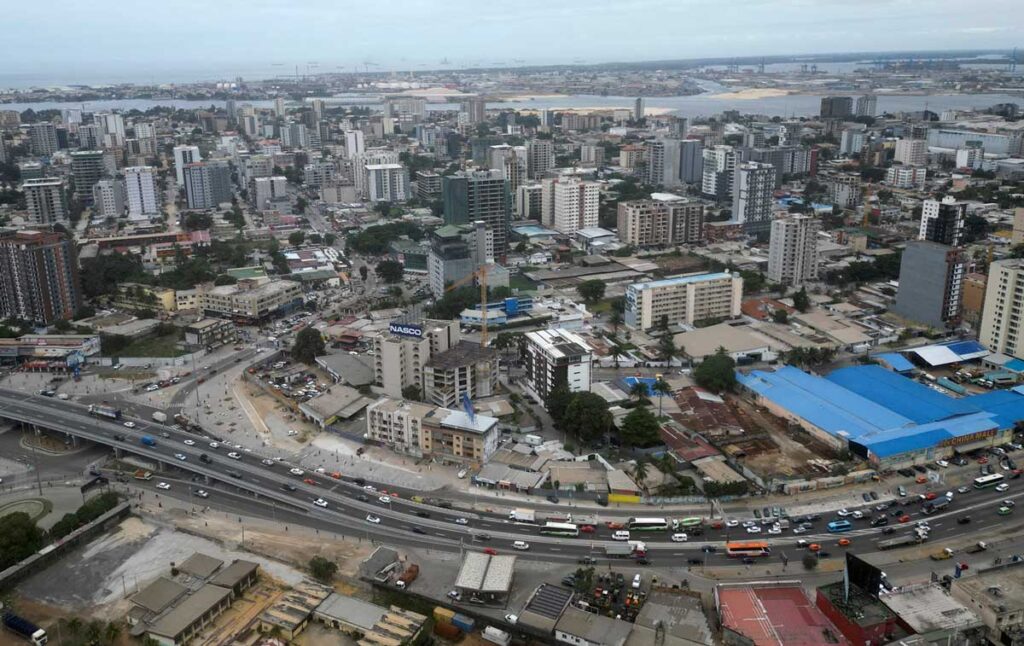
in Abidjan, in June 2019. Photo: Sia Kambou / AFP
With a total cost of $125 million, the administrative city of Abomey-Calavi in Benin, under construction on a 40-hectare site, is a good example of decentralisation efforts.
“The development of the secondary city of Abomey-Calavi, located in the Atlantique department, is helping to relieve congestion in the capital,” Eklou Apétsi, an architect-urban planner and residential real estate expert for the World Bank and UN-Habitat in the WAEMU zone, told Africa In Fact. “The Beninese authorities [have] started relocating many administrative services from Cotonou to Abomey-Calavi, and the construction of an administrative city, which will soon be operational there, is an example of this vision.”
Urban mobility remains one of the major challenges facing city authorities across the eight WAEMU countries. High urban population density has created severe mobility constraints in major cities such as Abidjan, Lomé, and Conakry. Road users regularly face traffic congestion, which significantly hampers productivity and quality of life. According to a 2019 note published on the World Bank website, the lack of mobility within the Abidjan metropolitan area results in losses equivalent to 4-5% of Côte d’Ivoire’s national income.
But experts believe that well-planned secondary cities will help ease road congestion in major urban centres.
“The creation of sustainable secondary cities reduces traffic congestion in large cities,” Eklou Apétsi said. “For example, the daily commute of many workers from Abomey-Calavi to Cotonou and back will cease once administrative services are relocated. Real estate programmes in secondary cities, combined with decentralisation, will allow for more efficient use of urban resources and help prevent citizens from unnecessary spending on daily travel.”
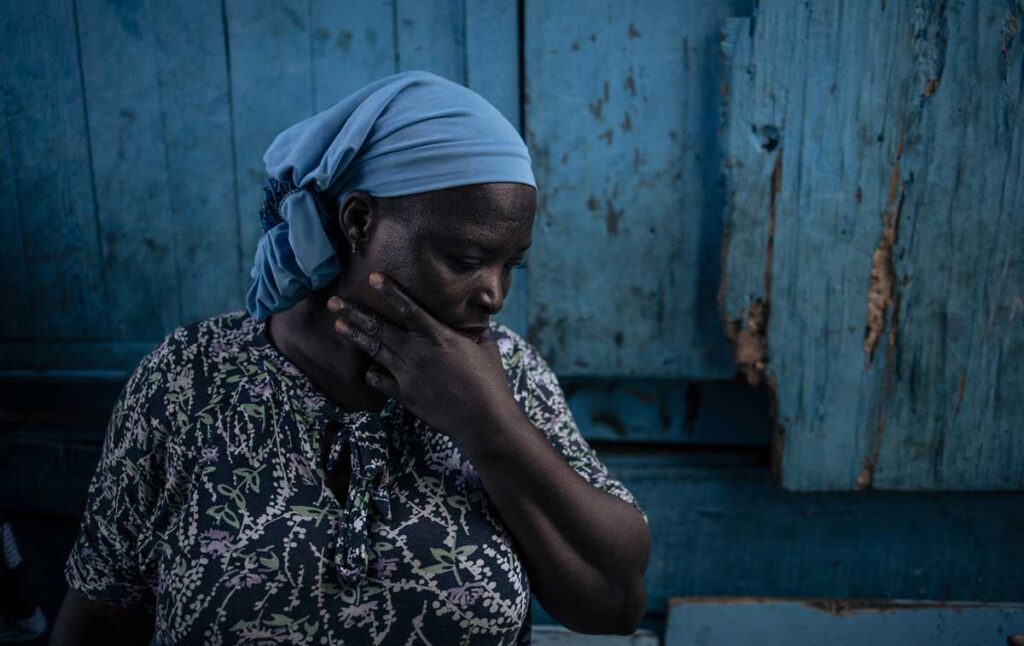
Many of West Africa’s cities – most of which have become regional capitals or administrative centres – also serve as vital links between rural areas and the metropoles.
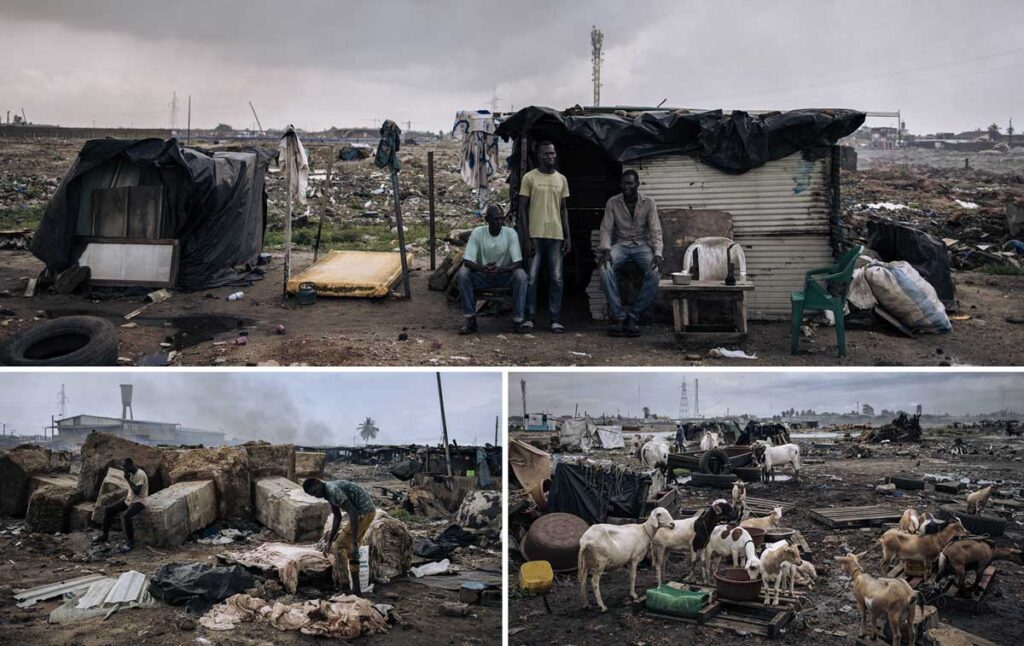
However, the duality between customary law and modern law poses significant challenges across the WAEMU countries. Controversial and poorly understood land tenure systems are a direct cause of land disputes. In Benin, for example, it is estimated that one in every two cases before civil courts in Cotonou involves a land dispute.
The situation is similar in Togo, where estimates suggest that 75% of court hearings involve land conflicts. In a context where secure access to land is a fundamental lever for economic development, social cohesion, and investment attractiveness, in 2021, the WAEMU countries approved a project to harmonise the procedures and rules governing land registration and access to land ownership titles in urban areas.
The countries also decided to establish a land information system to create a secure, reliable database accessible for providing basic information on land across the region. Currently, procedures and processing times for obtaining land titles vary from one country to another within the union, highlighting the importance of harmonisation for regional development and investment security. This ongoing project aims to reduce land disputes, secure land transactions, and promote sustainable economic development through harmonised rules applicable in all WAEMU countries. Analysts believe that the initiative will improve urban governance, prevent land-related conflicts, and attract investment in the real estate sector.
“The primary advantage of establishing a land information system is the circulation of reliable land data across the WAEMU region. Making land information available to everyone will help prevent land disputes. For example, if an investor wants to purchase a property, they need access to reliable information to secure their investment,” Hughes Sagbadj, head of the legal affairs and training department at Benin’s National Agency for Land and Property, told Africa in Fact.
The issuance of land titles currently takes between six and 24 months in Togo, compared with four to 12 months in Benin under the standard procedure. Under the new harmonisation directive, a minimum processing period of 45 days will be applied across all WAEMU member states.
To achieve this, the WAEMU Commission is supporting member countries by strengthening legal and institutional frameworks to establish common standards within land tenure systems. It also aims to stimulate the regional property market so that ownership titles issued in one member state can serve as collateral or security in all other WAEMU countries.
However, some experts fear that concerns among some member states about a perceived loss of sovereignty in land governance could slow the implementation of the harmonisation directive.
Nevertheless, Sagbadj was positive. “It appears that the directive is moving towards establishing cross-border guarantees,” he told Africa in Fact. “This means that financial institutions in one WAEMU country could accept property located in another member state as collateral. Essentially, we are making real estate rights mobile. This is very promising; the circulation of property guarantees is a clear advantage for investors, who will face fewer legal barriers regarding capital movement.”

Mamah-Djiman Hairith is an investigative reporter from Benin with more than 10 years of field experience in Africa's media industry. She has worked across various platforms including radio and newspapers like Le Paradoxeand Togo Finance et Business in Benin and Togo. She holds a degree in linguistics and communication and is passionate about telling stories around science and technology.