Johannesburg is the commercial and economic hub of South Africa, hosting the largest stock exchange on the African continent (JSE), generating 16% of South Africa’s GDP alone and houses the headquarters of at least 70% of South African corporations.
From this view alone, the city can be regarded as one of the wealthiest in the region, and perhaps the entire continent. However, despite its massive wealth and importance, it is a city plagued by poor service delivery, deteriorating infrastructure, and constrained governance. Just recently, the 2026/27 city budget was approved, resulting in a decline in funds for essential utilities, highlighting the growing challenges the city faces despite the wealth it generates.
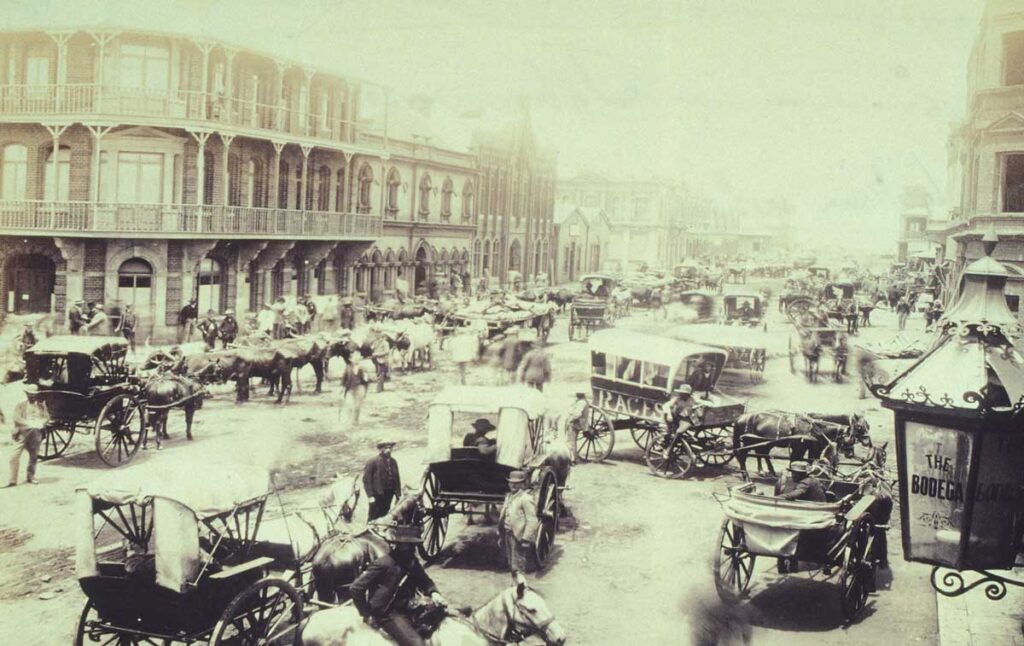
Governance experts argue that the solution to this contradiction is straightforward: improve the city’s governance and administration, and many of the issues will be addressed. However, while there is a need for better leadership and more effective governance, the underlying challenge is that Johannesburg has been seen only as a site for wealth extraction and facilitation, not as a city for people. Since its inception, there has been an underlying assumption that Johannesburg is not really a place for people and that the settlement emerged only out of necessity. This has continued to shape and influence how the city functions today and has also informed policy decisions to address various challenges.
For many years, there has been an ongoing debate among urban development circles around the role of the city and, more specifically, what people-centred cities mean. While it is generally accepted that cities are sites of economic growth, scholars have argued that for this growth to be sustainable, cities need to invest in their populations, as it is the people within these cities who are the engines of growth, opportunity, and success.
Having access to the basic services such as adequate and safe housing, clean water, reliable electricity and efficient transport is key to this perspective, but some scholars have also focused on the environmental side. The need for parks, green spaces and recreational centres has become an increasingly important part of the discourse around people-centred cities, recognising that cities are not just about wealth but also places where people live, create and exist.
Over the years, cities have incorporated this perspective into their urban planning and development policies, highlighting the fact that the issue of not prioritising people in cities is not a unique problem but something that many countries and cities have faced. However, what makes Johannesburg unique is the way the city’s underlying attitude as a purely wealth-generating site has not only informed the inequality that exists but also shaped how the municipality and its leaders have responded to it.
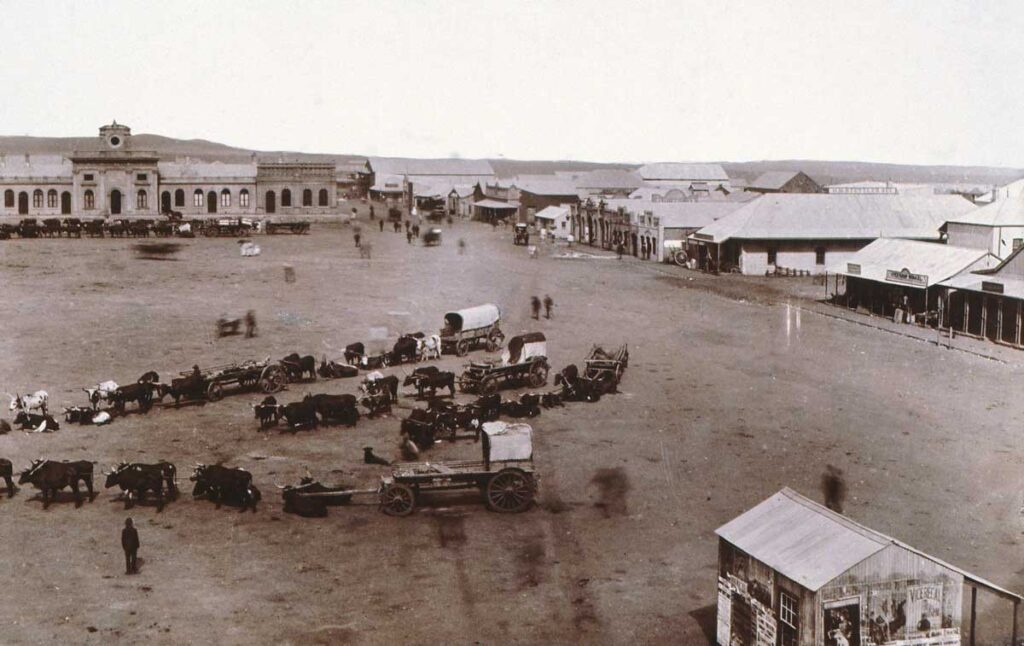
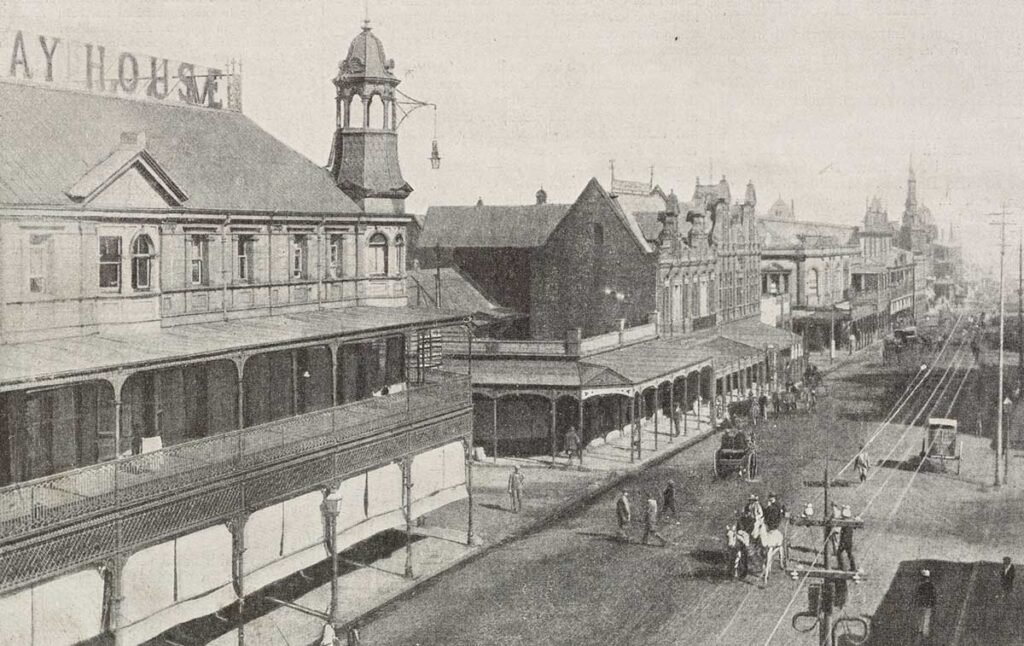
The history of Johannesburg is central to understanding how this attitude first arose. Mining was always central to the Johannesburg area, as many Sotho-Tswana communities lived there for centuries, mining and smelting iron ore. However, the discovery of large gold deposits by European settlers in the 19th century changed the area’s trajectory, turning it from dispersed farmland into a sprawling, chaotic mining town.
The fast-growing population occurred with very little urban planning because the primary focus of the town was to support the extraction and economic expansion of the gold rush, not making it a livable city. By 1928, when the Union of South Africa formally recognised Johannesburg as a city, its spatial and economic foundations had already been shaped by this logic. This early orientation towards economic extraction did not disappear; rather, it became systemically embedded in how the city functions and is governed.
Today, it persists in policy choices that prioritise economic growth, investment and global competitiveness, without doing enough to adequately address the lived realities of residents. In this way, the historical foundations of Johannesburg have continued to shape the contradiction between the wealth the city generates and its failing service delivery, as well as the government’s attempts to address this gap.
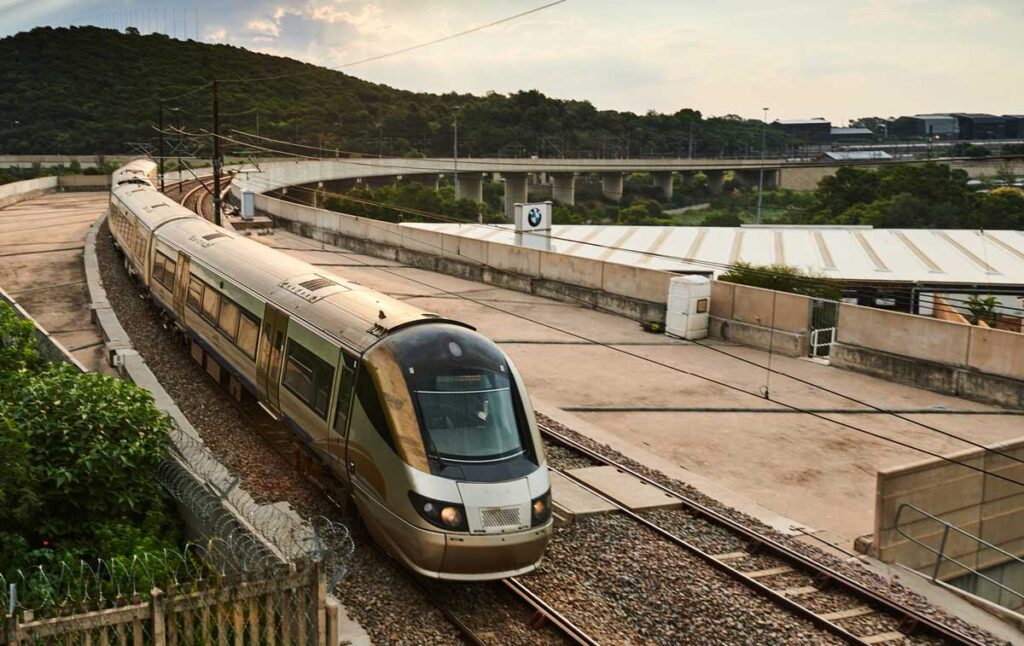
More specifically, this attitude has shaped how the municipality and its leaders understand development, with many policies focused on making wealth generation and extraction easier rather than improving residents’ lives. One key example of this is with the development of the Gautrain, a high-speed commuter train. which connected the central hubs of Gauteng: Johannesburg, Sandton, OR Tambo airport and Pretoria.
First built in the 2000s as part of a series of infrastructure development projects guided by the need for improved public transport and the 2010 FIFA World Cup. However, instead of improving access to public transport, the Gautrain quickly became a symbol of inequality through expensive train tickets and a limited railway network, prioritising the international airport over people living across the province.
Development has been treated more as a political tool than a series of policies to improve people’s lives. A recent example of this was the controversy surrounding the 2025 G20, which South Africa chaired. Johannesburg was the primary venue for many conferences, including the prestigious G20 Leaders’ Summit, which brought together political, business, and social leaders to discuss a set of core issues set by the South African government.
In the buildup to the event, the Johannesburg municipality launched a “High-Impact Service Delivery Programme”, which promised to rebuild trust with its citizens by focusing on the repair and maintenance of Johannesburg’s infrastructure. This included improving safety, service delivery and infrastructure.
However, this raised several questions about the timing and, more importantly, the type of interventions being prioritised. For many years, experts have warned of a looming water crisis in Johannesburg. However, instead of prioritising the city’s water security, the programme focused on more superficial elements such as fixing streetlights and potholes.
This is not to say that these smaller fixes are unimportant, but it does raise serious questions about where the city’s priorities lie, given that they were able to mobilise for the G20 but are unable to do so to improve the lives of its citizens – further illustrating the point that there is a fundamental misunderstanding around who Johannesburg is for and why it exists.
As South Africa looks to the next local government elections, Johannesburg’s challenges will be put on full display. Beyond the infrastructure collapse and governance failings lies a fundamental perspective: that the city exists simply to create and extract wealth. Ultimately, this leaves the very people who live, work, and study there with a system that simply takes.

Stuart Morrison is a Data Analyst with the Governance Insights and Analytics team at GGA. His research and expertise mainly focuses on the nexus between local governance, urbanisation and elections. He has a MA in E-science (Data Science) at the University of Witwatersrand, Johannesburg, with a background in Political Science, International Relations and Development studies. His multi-disciplinary approach incorporating data science and quantitative methods allows him to provide a nuanced and data-driven approach towards his research and policy work.