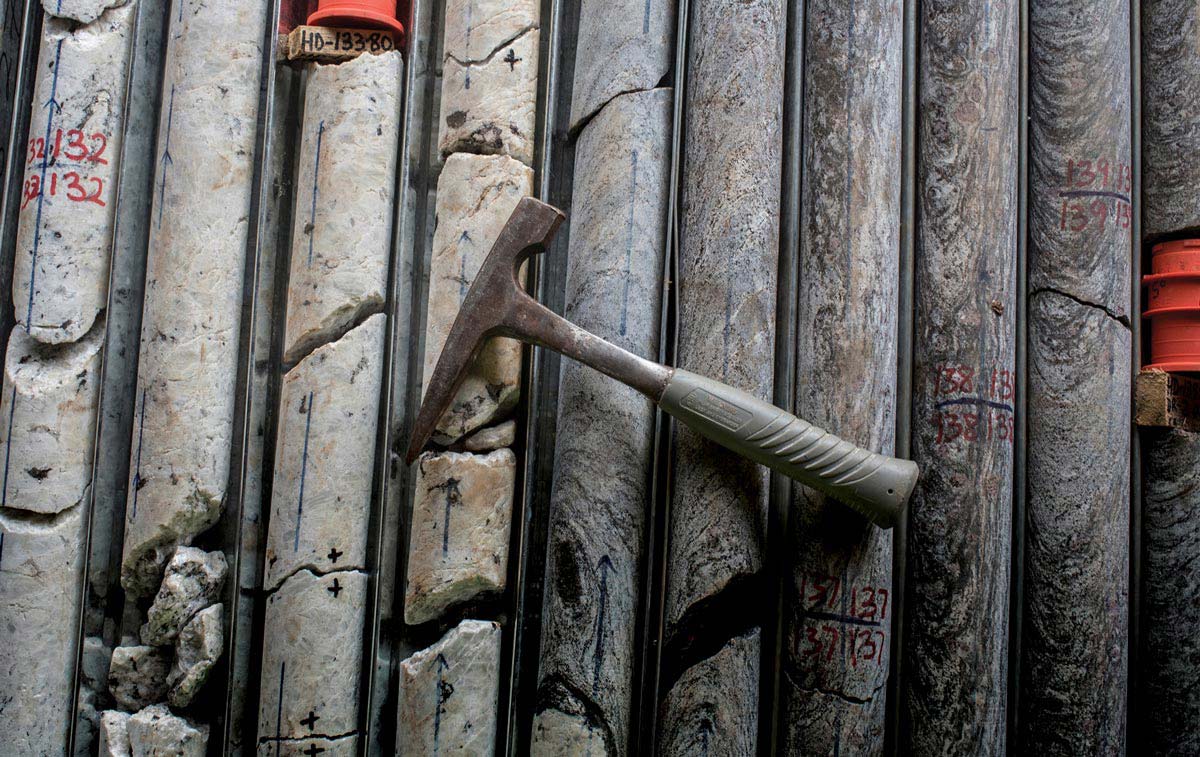
Nigeria’s rich reserves of critical minerals, such as lithium, gold, cobalt, and rare earth elements, put it at the centre of the global energy transition and tech revolution. Yet the country remains stuck in a cycle of exporting raw materials and importing finished goods. As demand for these minerals surges, Nigeria faces a crucial question: will partnering with global platforms like the G20 help it build domestic industries and break this cycle, or will it repeat past mistakes?
According to authorities, discoveries of vast lithium deposits have been confirmed across 10 states: Cross River, Ekiti, Kaduna, Kogi, Kwara, Nasarawa, Niger, Ogun, Plateau and Zamfara, with a total estimated value worth some $34 billion to $700 billion, depending on the extent of the surveyed areas.
While Africa’s historical experience with mineral wealth offers little comfort, the federal government has framed these discoveries as central to its diversification agenda, particularly as oil revenues continue to fluctuate and energy transition pressures mount. The Minister of Solid Minerals, Dele Alake, has repeatedly stated that no company will be allowed to mine and export raw lithium unless it has processing and refining plants in Nigeria.
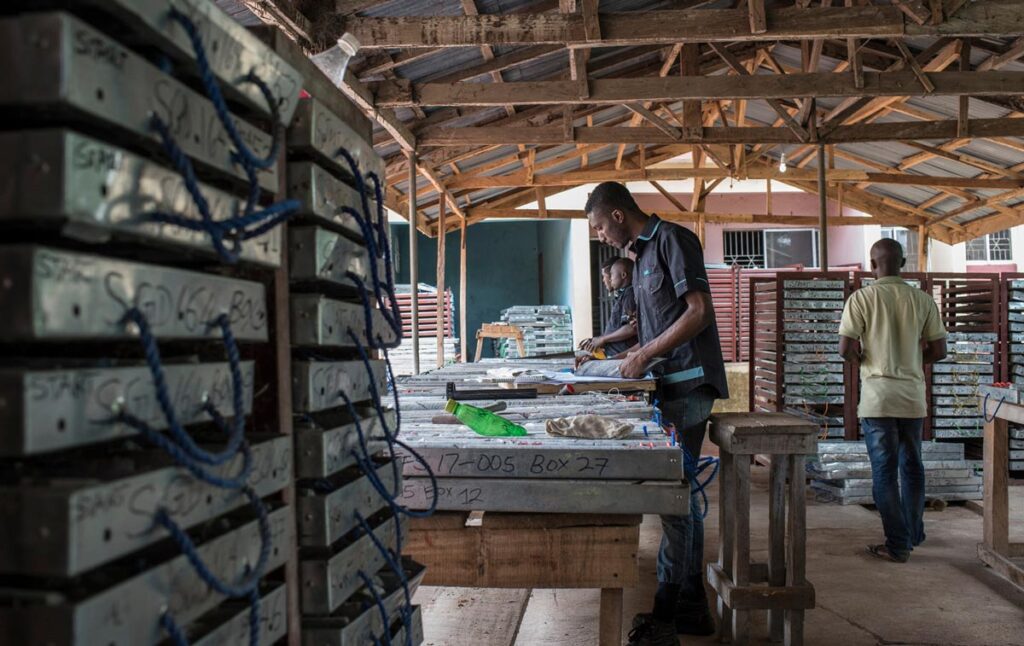
“We will do everything possible to discourage the carting away of our solid minerals without value addition,” Alake told German news channel DW in 2023. “I want to emphasise the fact that the era of exporting raw solid minerals from Nigeria is over. Any company wishing to come and invest in the solid minerals industrial sector in Nigeria, henceforth, must add local value.”
Despite government efforts, Nigeria’s critical minerals sector shows signs of weakness. Licensing processes are opaque, artisanal mining is rampant, and foreign investors prioritise extraction over local processing.
For instance, local sources in the Bani and Kakanfu communities in Kwara State told Africa in Fact that mining activity goes on with impunity in those areas. Though there’s no official data on how much lithium is extracted annually from the communities, small trucks carry at least 100 sacks (50kg each) of lithium, which is 5,000 kg per truck. A ton of lithium can fetch more than $70,000, and large amounts are smuggled out of the communities daily, according to locals. Several investigative reports by local newsrooms in Nigeria corroborate our findings. If this trend continues, Nigeria might find itself stuck in low-value roles in global supply chains.
Africa’s mineral wealth has become a key player in global energy security talks, especially after the G20 Africa critical minerals summit in Johannesburg in November last year. The continent’s geological formations hold around 30% of the world’s known critical mineral reserves. So, Nigeria’s engagement with the G20, through partnerships, development finance channels, and mineral security initiatives, offers potential leverage.
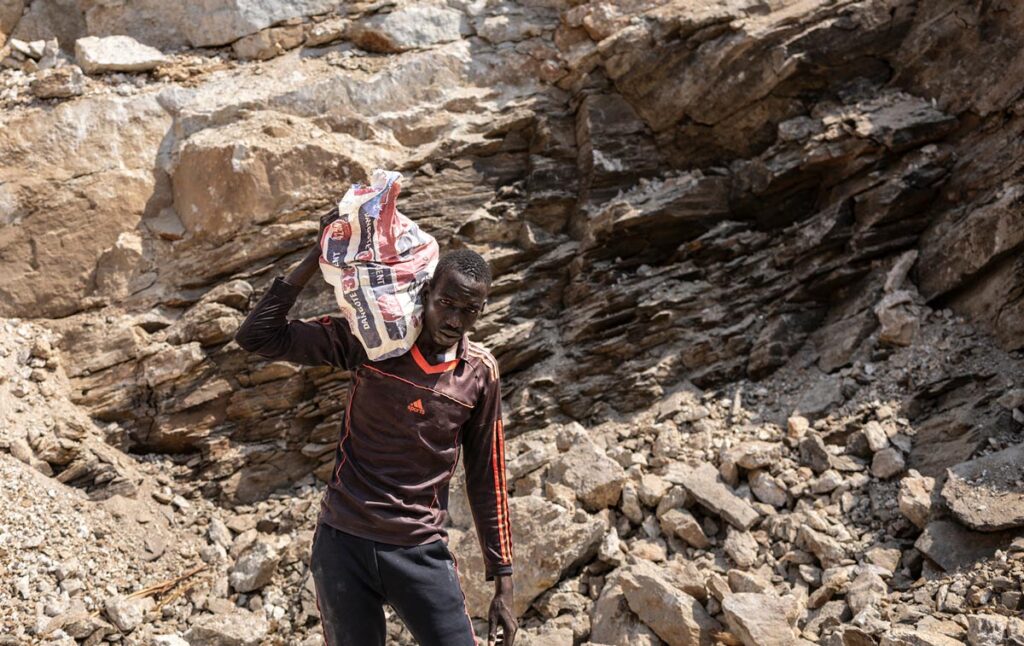
However, without a clearly articulated national strategy, Nigeria may find itself entering asymmetrical arrangements that prioritise speed, volume, and investor protections over local value addition. Over the years, external partnerships have amplified domestic capacity only where strong institutions already exist; hence, foreign capital and technology do not generate transformation by default but respond to regulatory certainty, enforcement credibility, and policy coherence. Where these are absent, partnerships accelerate extraction volumes without building domestic industrial systems.
Countries like Chile and Indonesia, however, have shown that with the right policies, countries can move beyond simply exporting raw materials. Chile developed its copper sector by setting clear rules and investing in skills and infrastructure. Indonesia used export restrictions to force companies to process nickel locally, attracting big investments in smelting and battery production. These countries’ success wasn’t just luck, it was about having strong policies and enforcing them, instead of relying solely on their natural resources.
At present, Nigeria exhibits the opposite institutional conditions, as fragmented regulatory authority, weak contract transparency, limited beneficiation enforcement, and severe infrastructure deficits undermine the country’s capacity to shape value chains. The dominance of informal mining, opaque licensing processes, and inconsistent regulatory signals creates a permissive environment for extraction without integration. In this context, G20 partnerships might end up just creating more “enclave” mining economies in Nigeria, rather than helping the country industrialise. If Nigeria does not quickly strengthen its institutions, its critical minerals sector will likely follow the same old pattern as its oil industry, exporting raw materials but adding little value locally and failing to drive broader economic growth.
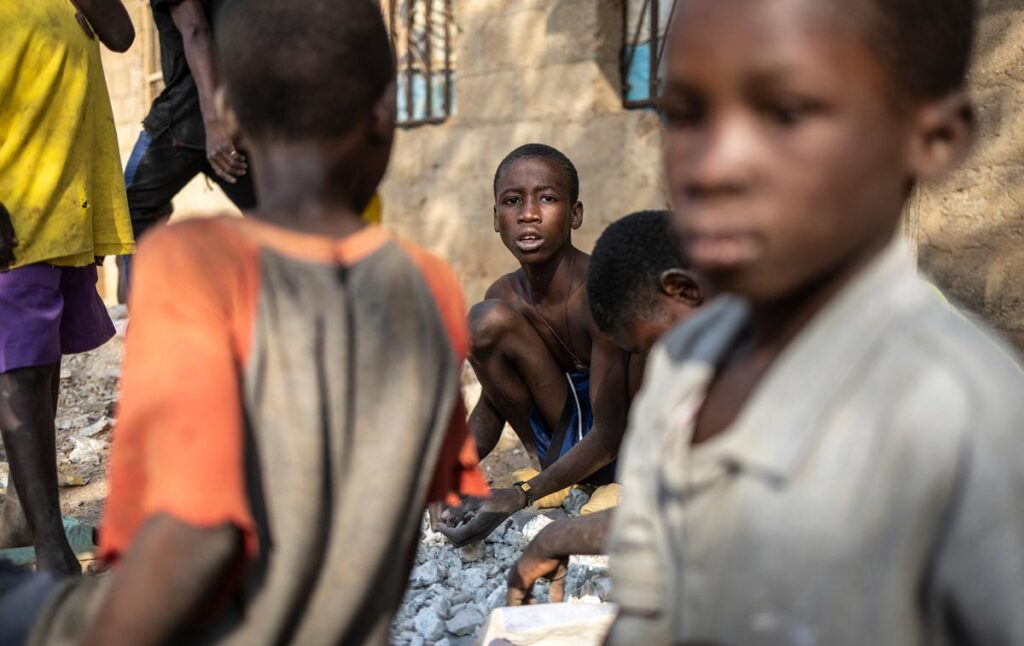
For Nigeria, the central policy challenge is domestic value creation. Exporting unprocessed ore in an era of green industrialisation would represent a strategic failure. Value addition, through refining, processing, and manufacturing, must be embedded at the core of Nigeria’s critical minerals framework. This requires enforceable beneficiation policies rather than aspirational targets.
While existing mining regulations reference local content and processing, enforcement has been inconsistent and exemptions are common. Also, different government agencies, ministries, and regulators are stepping on each other’s toes, causing confusion and a lack of accountability. Nigeria needs a unified approach, with clear roles and data sharing, to prevent chaos and conflicts in regulating its critical minerals sector.
Many deposits are in rural or fragile regions already affected by poverty, insecurity, and weak state presence; hence, there is a long-term cost to excluding host communities from resource governance. G20 norms around environmental, social, and governance standards offer useful reference points, but domestic accountability mechanisms are paramount. Transparent licensing, contract disclosure, community development agreements, and independent oversight must move from policy commitments to operational practice.
The global competition for critical minerals is intensifying. Countries that establish predictable, value-oriented regulatory environments will shape the next generation of industrial supply chains, while those that fail to do so will remain price-takers at the bottom of global value ladders.
Nigeria’s critical minerals moment is therefore time-bound. Engagement with the G20 can provide access to capital, technology, and markets, but it cannot compensate for weak governance or unclear strategy. The resources exist. The demand is real. What remains uncertain is whether strategic leadership can convert opportunity into transformation or whether history will repeat itself as a country with plenty of resources but little to show for it.

Adejumo Kabir
Adejumo Kabir Adeniyi is a senior researcher at Good Governance Africa-Nigeria. He is an expert with many years of experience in community development work and governance accountability sector. Before joining GGA, Adejumo worked at Premium Times and HumAngle Media, two of Nigeria’s biggest newspapers specialising on conflict and accountability reporting. His work has featured on esteemed local and international platforms, including Zammagazine, El Pais, IJNet, Premium Times, HumAngle Media and TheCable among others. He is a 2019 recipient of the Diamond Awards for Media Excellence, a 2020 recipient of the Thomson Foundation Young Journalist Award in the United Kingdom, and a 2021 recipient of NAREP Oil and Gas Fellowship.