Picture a coup leader in full military uniform, seated across from regional heads of state in a formal diplomatic setting, not condemned from a distance, but engaged as a legitimate interlocutor. That image, from the aftermath of Madagascar’s 2025 military takeover, marks how far southern Africa has travelled from the principles it once defended with conviction.
The 2025 coup was not an isolated event. It is the latest episode in a discernible pattern of the gradual weakening of regional norms against unconstitutional changes of government. The contrast between Madagascar in 2009, Zimbabwe in 2017, and Madagascar again in 2025 makes this trajectory difficult to ignore and raises an uncomfortable but necessary question: how committed is the region to constitutional rule?
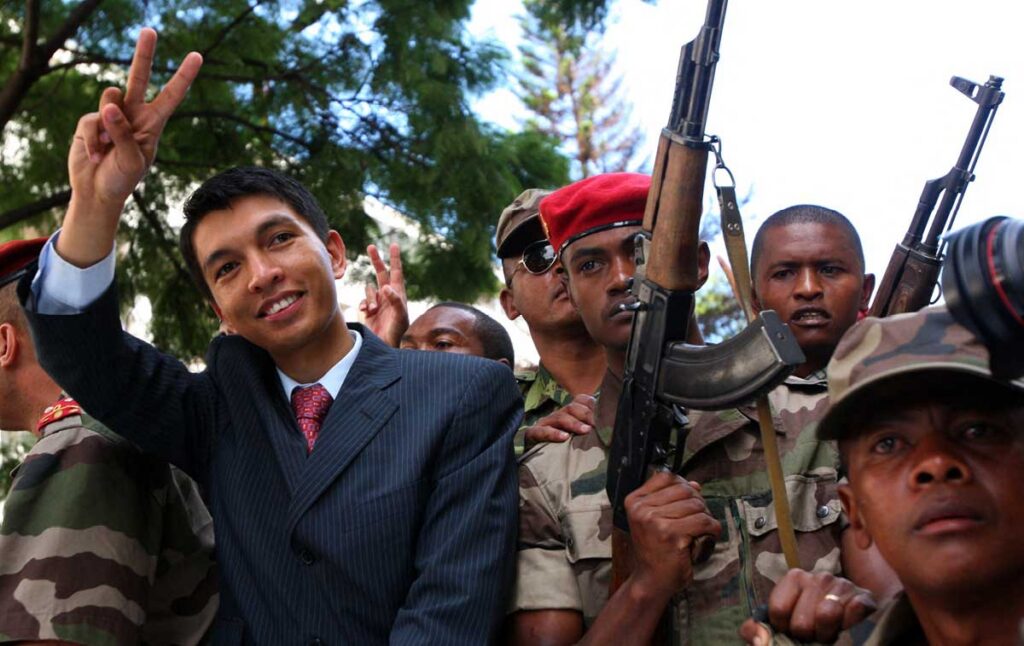
When Andry Rajoelina came to power in 2009 through a military-backed process that ousted Marc Ravalomanana, SADC responded decisively. Madagascar was suspended from the bloc, the takeover was clearly labelled a coup, and sustained pressure followed until a negotiated return to constitutional order was achieved through the Maputo Accords and elections in 2013. The response aligned with the AU’s Lomé Declaration commitment to zero tolerance for unconstitutional changes of government.
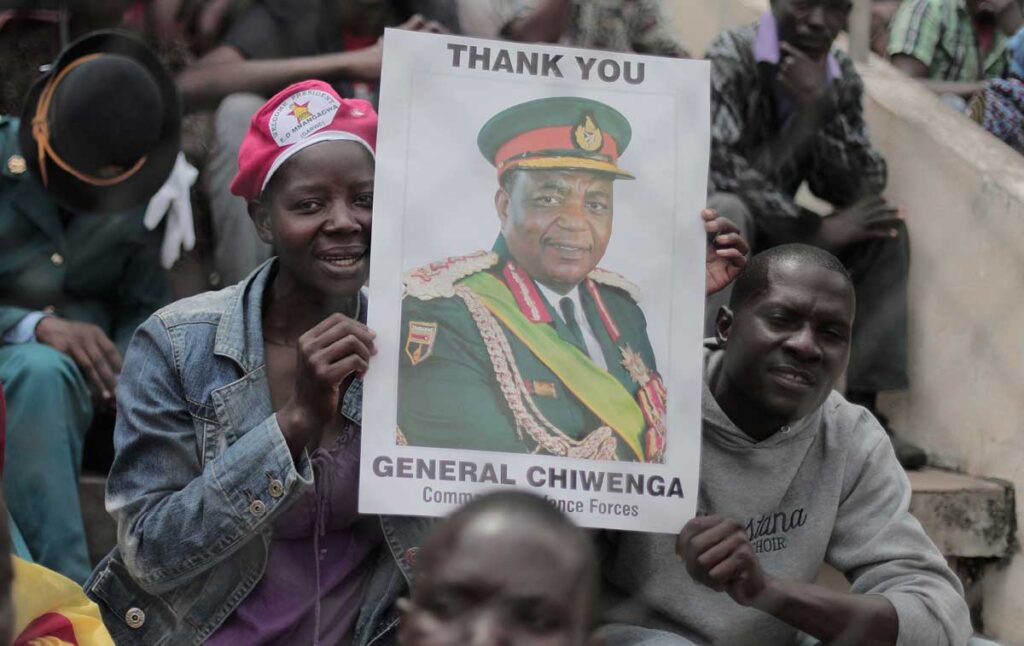
Zimbabwe in 2017 told a different story. When the military removed Robert Mugabe, SADC and the AU avoided calling it a coup, reframing the intervention instead as a “constitutional correction”. The framing was politically convenient – elite consensus existed, and few were inclined to defend Mugabe – but the institutional consequences were significant. SADC had introduced a reusable template; a coup, executed with sufficient elite support and carefully framed, could be laundered into something acceptable. The language of constitutionalism had been turned against the norms it was meant to protect.
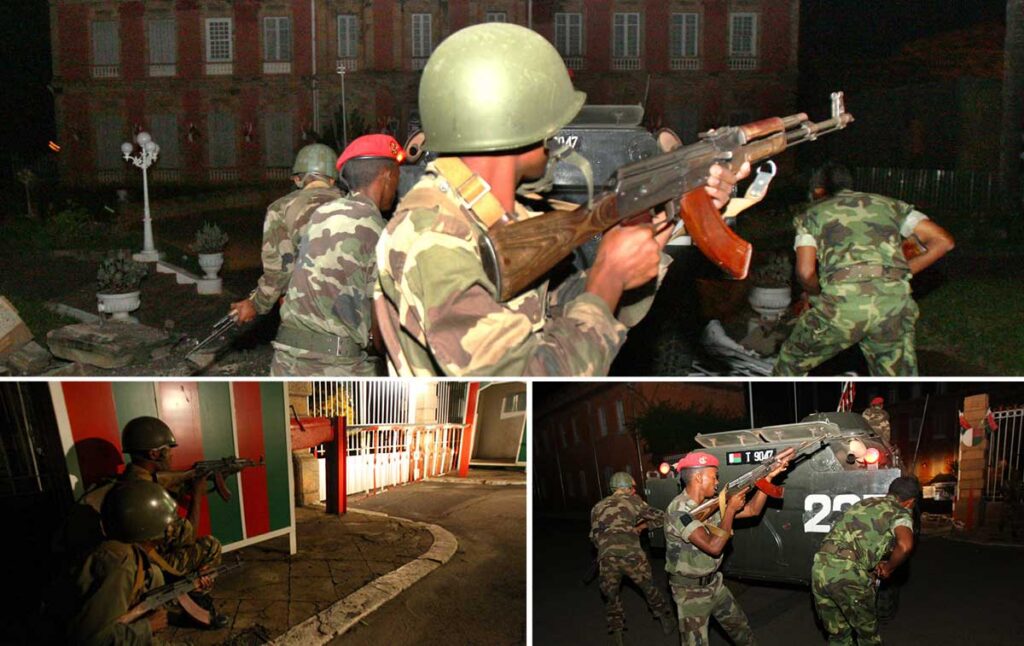
By 2025, that precedent had hardened into practice. SADC’s response to Madagascar’s second takeover was notably restrained, with no suspension or punitive measures, and only calls for calm and dialogue that carefully avoided assigning blame. What was once unacceptable has quietly become accommodated.
SADC’s restraint reflects more than institutional limitations; it also reflects the political dynamics of a regional bloc that has traditionally prioritised consensus, dialogue, and member-state sovereignty over coercive measures. This approach has been evident in the organisation’s responses to challenges such as Zimbabwe’s prolonged political and economic difficulties, Lesotho’s recurring constitutional crises, and eSwatini’s slow pace of democratic reform. In practice, SADC has generally favoured engagement and mediation over confrontation, a preference that has helped preserve regional cohesion but has also constrained the bloc’s ability to enforce compliance with its democratic and governance norms.
The trade-off should be named honestly. Pragmatic engagement may reduce immediate tensions, but it signals that unconstitutional seizures of power carry manageable costs, which is an invitation to repetition. Stricter enforcement would require coordinated sanctions, structured transition timelines, and the political will to sustain pressure against the interests of individual member states. That is a significant institutional ask. But it is the only credible alternative to the current trajectory.
SADC’s options are further constrained by external actors who do not passively observe African transitions. Madagascar’s Indian Ocean position and natural resource wealth of chromite, ilmenite, cobalt, and nickel continue to attract sustained interest. Russian security networks, expanded across Africa through Wagner’s successor arrangements, have sought footholds in transitional states.
UAE actors have pursued commercial positioning with junta governments. Chinese infrastructure relationships create dependencies that complicate alignment with governance norms. These dynamics rarely translate into outright support for coups. More often, they weaken collective pressure, fragment international responses, and give transitional authorities time to consolidate their position before a coordinated regional response can emerge.
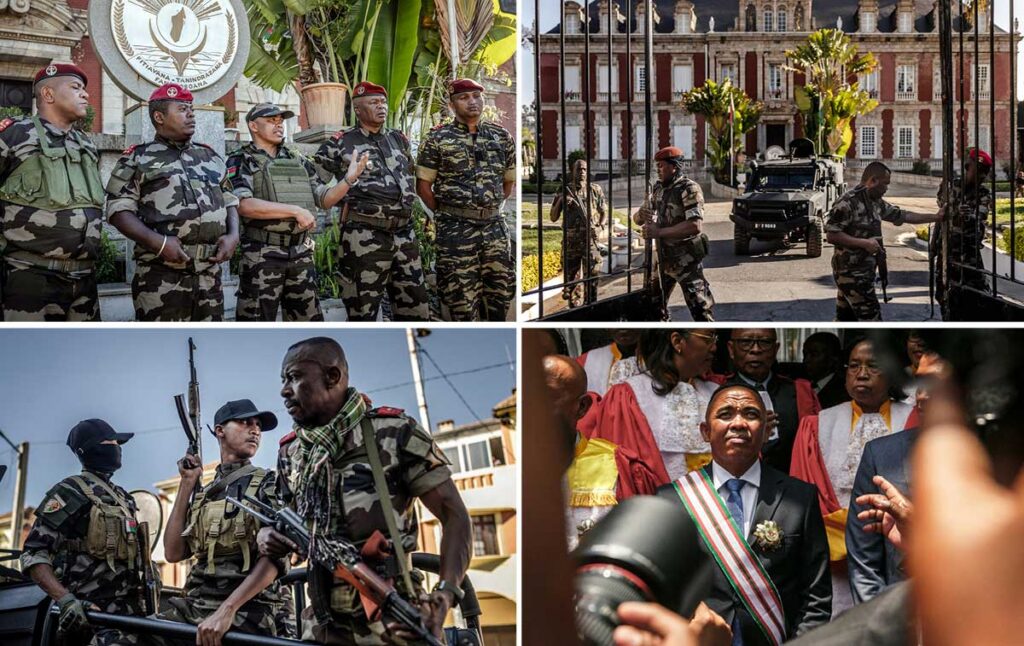
Madagascar’s 2025 crisis did not begin in the barracks. It began in the streets, driven by electricity shortages, water disruptions, corruption, and economic hardship. Only after sustained public mobilisation did the military intervene, presenting itself as the instrument of popular will rather than the force that overturned the existing political order.
This sequencing mirrors the pattern in Mali (2020, 2021), Burkina Faso (2022), and Guinea (2021), where military takeovers followed mass protests against governments that had lost public legitimacy. The comparison with ECOWAS is helpful; faced with the Sahelian coups, ECOWAS responded with suspension, sanctions, and, in Niger’s case, the threat of military intervention. The response was contested and ultimately ineffective, but it preserved the clarity of the norm. SADC’s response to Madagascar in 2025 did not align with that institutional assertion, reflecting a regional culture more inclined toward consensus and less willing to bear the political costs of confrontation.
When military interventions consistently follow popular protests and consistently frame themselves as responsive rather than disruptive, the distinction between constitutional and unconstitutional change erodes in public discourse even when it remains analytically clear. Regional bodies that fail to hold that line make it harder for everyone else to do so.
Underlying Madagascar’s recurring crises is a governance failure that neither coups nor elections have resolved. This point deserves to be stated: direct elections matter, but they are no longer sufficient to confer and sustain legitimacy.
In Madagascar, governments have won electoral mandates while failing to deliver basic services. Electricity is unreliable, water infrastructure is inadequate, and corruption is persistent and largely unpunished. In such conditions, electoral legitimacy and performance legitimacy diverge, and citizens increasingly use the latter to judge whether their government has the right to govern. Military actors have learned to exploit this gap. A government that has won elections but failed to deliver is one whose popular base has already eroded before the protests begin.
The implication is uncomfortable; defending constitutional order becomes harder when the governments being defended have themselves undermined democratic legitimacy through poor governance and impunity. Restoring confidence in constitutional rule, therefore, requires not just enforcement by regional bodies but credible improvement in government performance – a demand that goes well beyond SADC’s current mandate.
Madagascar 2025 is a point on a trajectory, not an aberration. The progression from firm enforcement in 2009 to normative evasion in 2017 to accommodation in 2025 reflects a regional culture moving gradually but consistently away from the principles it formally upholds. Norms applied inconsistently become symbolic. If SADC continues on this path, the distinction between constitutional and unconstitutional change will cease to carry meaningful weight as a regional standard.
Restoring credibility requires three things: consistent language that names unconstitutional changes of government for what they are, regardless of political convenience; genuine enforcement mechanisms with real consequences for non-compliance; and a willingness on the part of member states to absorb the political costs of principled enforcement rather than defaulting to the path of least resistance.
The alternative is a region where the question is no longer whether another coup will occur but rather how accommodating the response will be. That is a future that serves no one’s long-term interest, least of all the citizens whose grievances keep being used to justify the very seizures of power that leave those grievances unresolved.

Dr Craig Moffat served as an analyst at the SADC Early Warning Centre during his tenure with the South African Foreign Service. He was also a Senior Research Fellow in the Research Group on Peace, Conflict, and Development at the Norwegian Institute of International Affairs. Prior to that, he was the Head of the Programme for Governance Delivery and Impact at Good Governance Africa. Dr Moffat holds a PhD in Political Science from Stellenbosch University.