



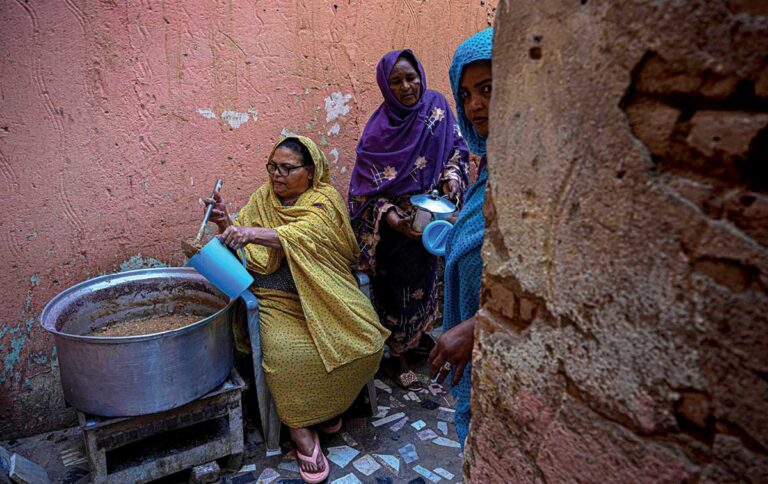
Between survival and complicity
“The experience of the oppressed is the experience of living without protections.” — Achille Mbembe In conflict settings, the line between survival and complicity is rarely stable. In Sudan, it may become one of the most contested questions of the post-war order. What keeps communities alive today may later be used to question their legitimacy
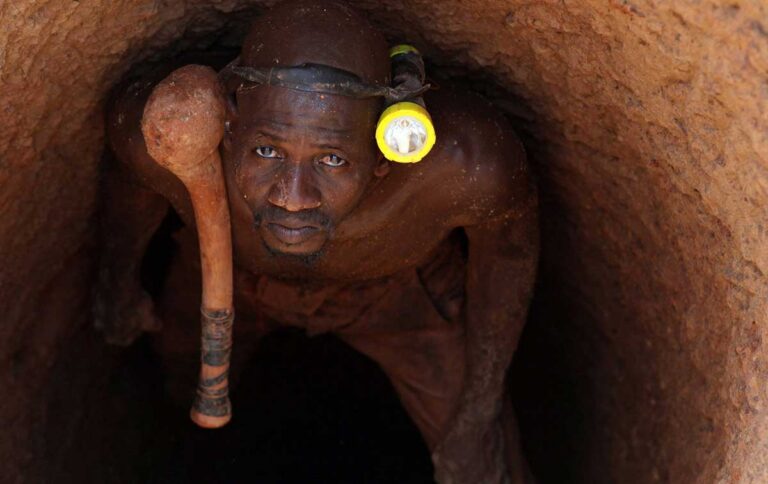
Gold, governance and the myth of Mali’s democratic decline
In 2012, nomadic miners discovered a vast surface gold deposit in the Jebel Amir region of northern Darfur, Sudan. Within months, tens of thousands of artisanal miners had flooded into the area, and the site generated extraordinary wealth in one of Sudan’s most marginal and conflict-prone regions. By early 2013, control over the deposit had
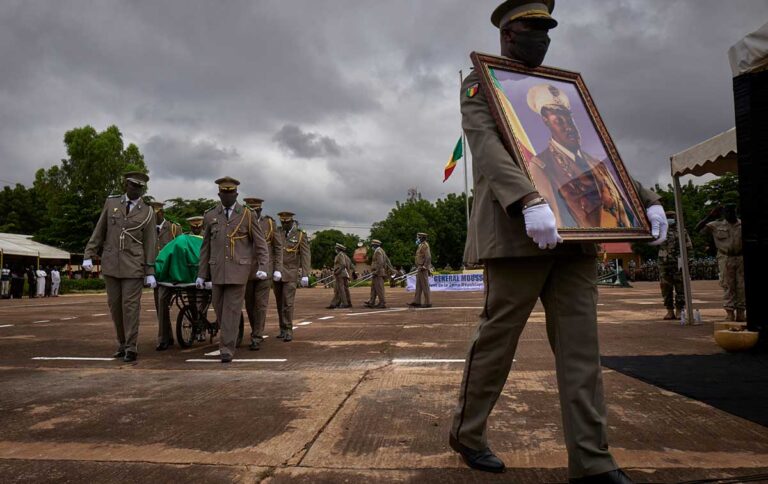
Broken promises
When they came to power in coups in 2020, 2022 and 2023, respectively, the Malian, Burkinabe, and Nigerien juntas made many promises that seemed to seduce the majority of their populations devastated by years of economic mismanagement and nepotism; suffering; and insecurity and instability due to jihadist insurgency and bad governance. Many citizens, particularly youth,
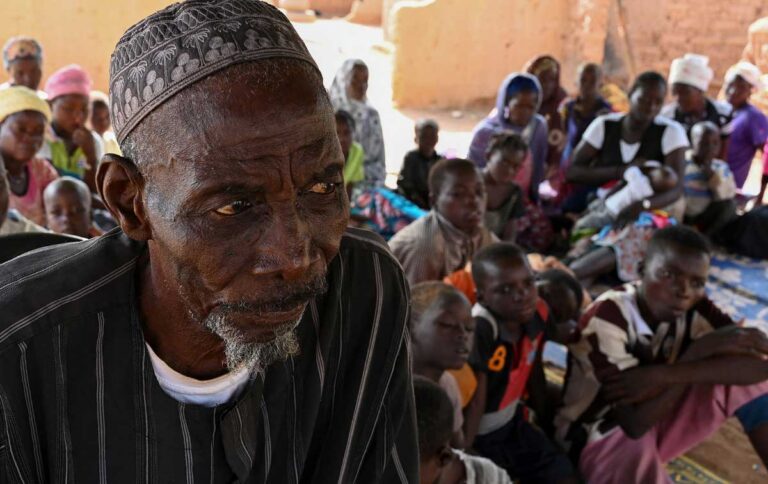
Governance, not guns
Since 2024, Mali, Burkina Faso, and Niger have experienced more than eight coup attempts. This points to a deeper crisis in which poor governance, anti-western sentiment, insecurity, and corruption are key drivers of the transition from democratic to autocratic rule. While all these military juntas claim to seek to restore stability in the region, a
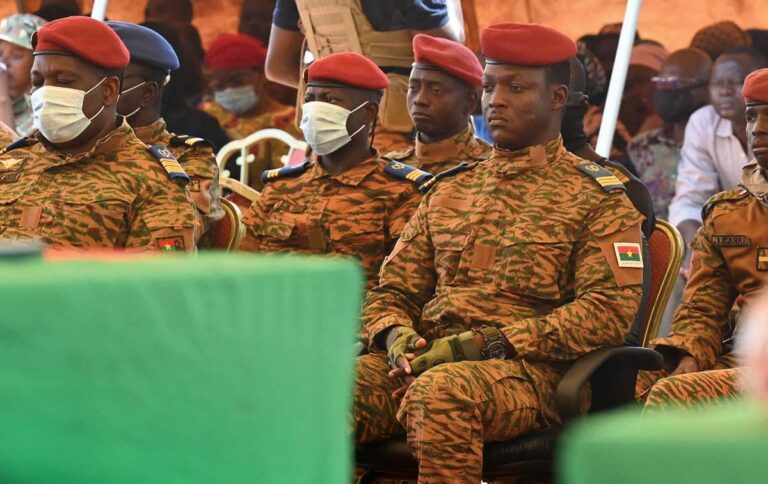
Politics by dictate
The recent rash of African military coups may have started in Chad with the 2021 shoehorning in of Mahamat Déby Itno after his father Idriss Déby died of wounds sustained in battle against rebels, but the face of the new anti-democratic wave is 37-year-old Captain Ibrahim Traoré, the “interim president” of Burkina Faso, who is
Instability in Africa’s coup belt
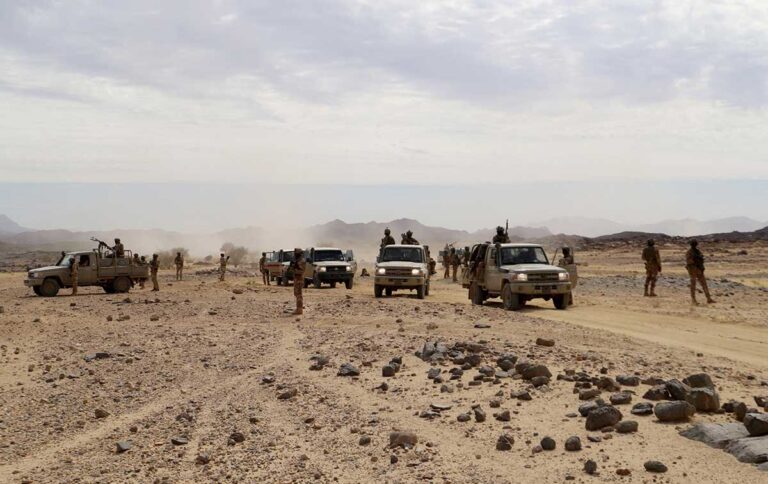
The two decades up to 2020 saw fewer coups and attempted coups in Africa than at any time since independence, raising hopes of a new, stable continent. Yet there have been at least 10 coups in West Africa and the Sahel since then. Whether this is a temporary blip or a long-term trend remains to
Third termism
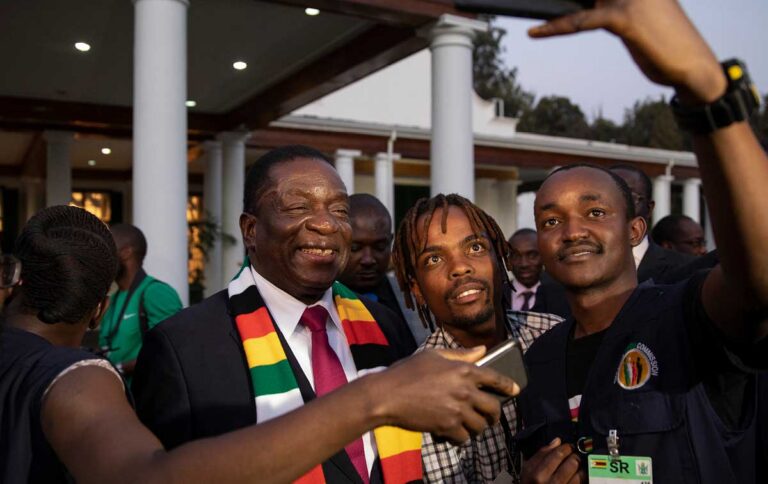
In an era of deepening democratic regression, southern Africa’s precedents offer important lessons for the continent. Former South African President Thabo Mbeki particularly cited the evasion of term limits as one aspect of this growing trend, a trend which the Africa Centre for Strategic Studies notes to be “at the root of a host of
Madagascar’s coupvolution
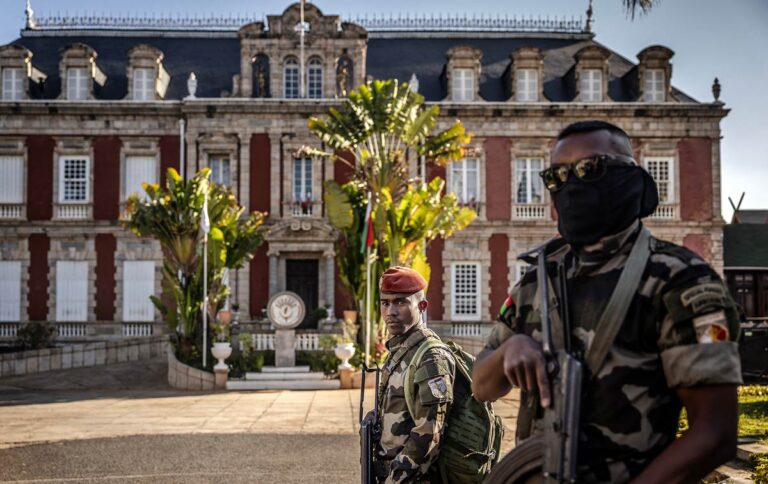
The growing military presence of Russia in Madagascar further calls into question the wisdom of the Southern African Development Community’s (SADC) decision not to suspend Madagascar for the “coupvolution” that deposed President Andry Rajoelina on 12 October 2025 and brought Colonel Michael Randrianirina to power. Randrianirina’s subsequent drift towards Russia’s camp and his suppression of
The sovereignty paradox
At six in the morning, the city is already awake. Buses idle at taxi ranks, traders sweep dust from their stall fronts, and water runs in thin streams along the roadside. Overnight, the president has been removed by his own guards. By dawn, little appears to have changed, except that the soldiers are now stationed
From ballot to barracks
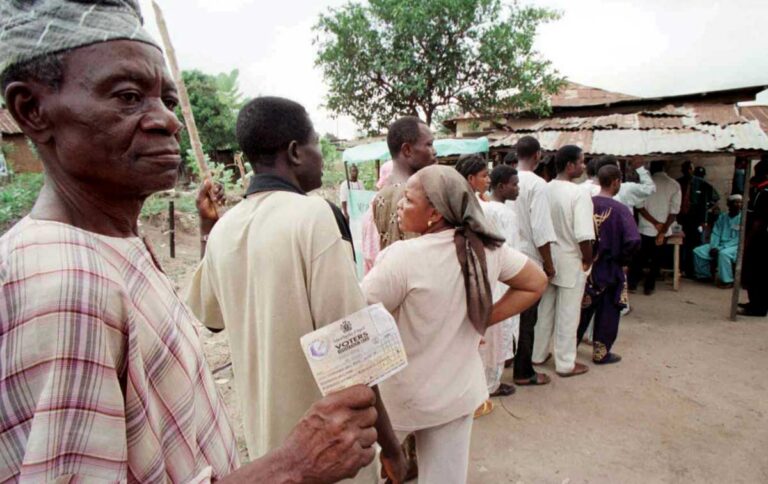
For much of the period between 1966 and 1999, Nigerians endured a succession of military governments that came to power largely through coups d’état. Apart from a brief civilian interlude between 1979 and 1983, the Nigerian Armed Forces dominated the country’s political landscape for more than three decades, and many times when the men in
Democratic retrenchment
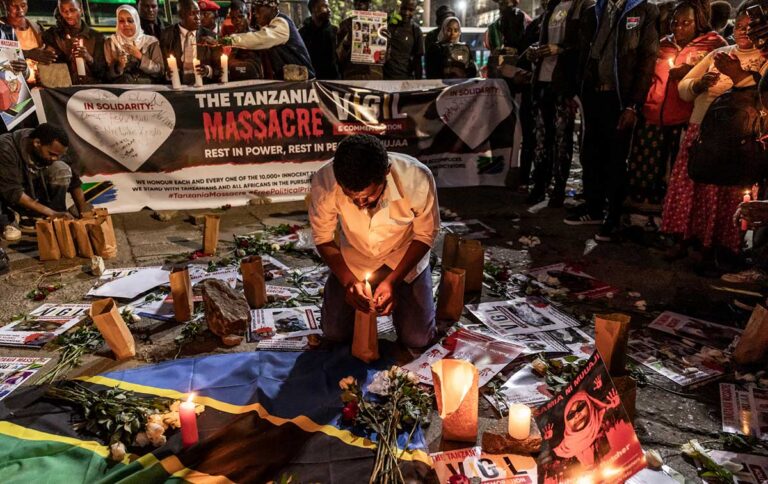
Democratic backsliding is a gradual erosion and hollowing out of democratic rules, institutions, rights, and accountability. Instead of a sudden collapse, it often happens when elected leaders manipulate legal systems, undermine electoral agencies, constrain opposition parties, repress civil society and restrict civil liberties. Therefore, it is not just about whether there are elections but about
Line of least resistance
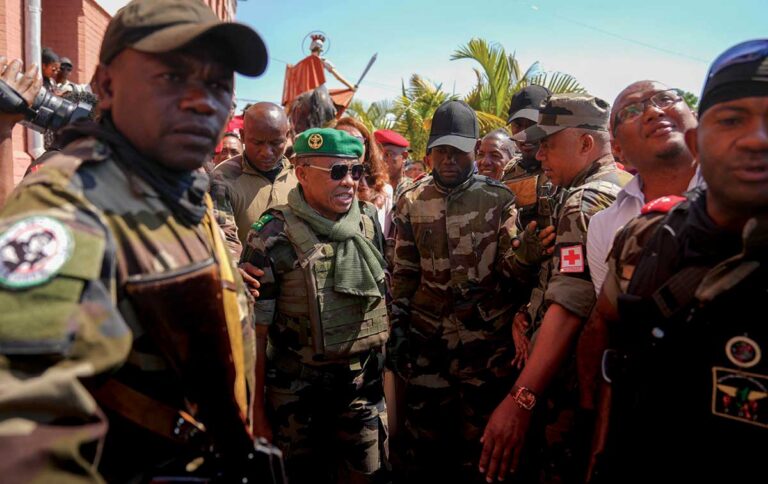
Picture a coup leader in full military uniform, seated across from regional heads of state in a formal diplomatic setting, not condemned from a distance, but engaged as a legitimate interlocutor. That image, from the aftermath of Madagascar’s 2025 military takeover, marks how far southern Africa has travelled from the principles it once defended with
Page 1 of 22